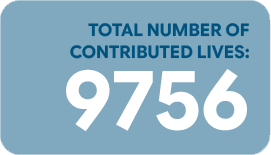
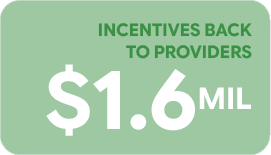
Rocky members participate in 3 value-based care contracts
FINANCIAL BENEFITS
WHAT IS THE VALUE OF PARTICIPATING IN THE VALUE-BASED CARE PROGRAMS?
FINANCIAL INCENTIVES AND
REVENUE GROWTH
Shared Savings & Performance Bonuses
Providers can earn shared savings or quality bonuses to improve outcomes and reduce the total cost of care.
MA contracts often include upside-only or upside/downside risk models — allowing providers to profit from efficiency and quality gains.
Reduced Denials and Faster Payments
Value-based arrangements typically involve streamlined prior authorization and collaborative payer-provider relationships, which help reduce claim denials and speed up reimbursements.
BETTER PATIENT OUTCOMES AND
POPULATION HEALTH
Focus on Prevention and Care Coordination • Value-based programs emphasize proactive management of chronic conditions, preventive screenings, and social determinants of health.
• Providers can invest in care management teams, telehealth, and data analytics to keep patients healthier and out of the hospital.
Improved Patient Engagement • MA patients often have additional benefits (transportation, nutrition, fitness programs) that help providers address barriers to care, improving both satisfaction and outcomes
OPERATIONAL AND
STRATEGIC ADVANTAGES
Data and Analytics Support • MA plans typically provide detailed performance and population health data, enabling providers to: • Identify high-risk patients
• Close care gaps
• Track quality metrics in real time.
Practice Transformation • Providers gain experience managing risk-based contracts, positioning themselves for future success in broader value-based arrangements (ACOs, direct contracting, etc.).
• It encourages care team redesign, better use of technology, and more efficient workflows.
STRONGER PAYER RELATIONSHIPS
AND MARKET POSITION
Preferred Network Placement • High-performing providers in value-based contracts often become preferred network partners, driving increased patient volume and payer trust.
Alignment with National Policy Trends • Medicare is rapidly moving toward value-based care as the standard. Participating early gives providers a competitive edge and access to pilot programs or enhanced incentives.
LONG-TERM SUSTAINABILITY
• As FFS reimbursement growth slows, value-based models offer a pathway to maintain and grow revenue while improving outcomes.
• Providers who master these models early will be better positioned for long-term financial stability